Jesus, in 28 A.D., visited Jerusalem to keep the fall festivals (likely the Feast of Tabernacles, John 5:1). After the Feast, he travelled north preaching the gospel until arriving in Capernaum (Luke 8:1 - 3). It was on Capernaum’s seashore (Matthew 13:1) that he gave the parable of the Sower to a multitude gathered to hear him.
Synopsis
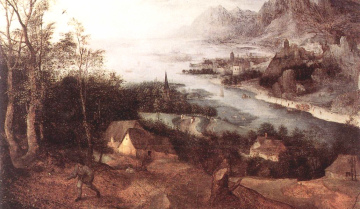
The parable opens with a Sower spreading his seeds in a field.
"The sower went out to sow his seed; and as he sowed, some seed fell by the road; and it was trampled upon, and the birds of heaven devoured it.
"And other seed fell upon the rock; and after it had sprung up it withered because it did not have any moisture. And other seed fell among the thorns; and after springing up together, the thorns choked it." (Luke 8:5 - 7).
Some of the seeds of the sower falls on hardened footpaths which, when spotted by birds, is quickly devoured. Some falls in areas where only a thin layer of soil exists on top of rocks. When the seeds begin to sprout they are quickly noticeable due to their lack of depth. Their inability to establish roots and access moisture causes them to die in the heat of the day.
A third set of seeds falls in relatively good ground but near hidden thorns and weeds. As the seeds sprout the weeds also grow and quickly rob them of the nutrients and moisture they need, thereby causing them to die.
"And other seed fell upon the good ground, and after springing up produced fruit a hundredfold." (Luke 8:8).
The last set of seeds finds its way into ploughed, watered and fertile soil where each one produces a varying number of crops.
Symbolism
The Sower in the parable is Jesus, and, by extension, all converted Christians. All those who are believers are charged with serving and preaching the gospel using whatever talents and spiritual gifts they possess. The seed is the gospel message.
Never Had a Chance
The first set of responses is by far the most common among humans. Though they hear the gospel with their ears, they don't grasp its meaning due to their hearts being hardened by sin. Like birds always looking for an easy meal, the devil quickly comes and snatches away what they heard so that it never takes root.
Short Roots
The second set of responses from this story are people who initially receive the gospel with joy. Like the parable's seed on shallow ground, their belief in God is at once noticeable. They begin to show signs of their new zeal by attending a local church, taking part in Bible studies and so on. So long as things are going relatively good for them they seem to be a committed Christian.
The last thing these people expected, however, is to have their beliefs tested and tried in the fire of life's experiences. The shallow nature of their beliefs becomes clear, however, when trials and troubles come their way. Their faith, which was based far more on feelings than conviction, is quickly jettisoned.
Diversion Tactic
The third set of seeds in the parable of the Sower falls on reasonably good ground. Unlike the second set of seeds, however, which did not bear fruit due to trials, this group fails due to temptation.
The people who hear the gospel in this set respond positively to it and begin to grow and develop. Growing alongside them, however, are the demands of this world and its deceptive message to live your best life NOW. The cares of this life begin to compete more for their time and energy.
The temptations to pursue worldly fame and fortune, and the opportunities to fulfill their lusts, soon prove to be more than they can withstand. Knowing they cannot serve both God and mammon (Matthew 6:24), they choose to pursue the temporary pleasures of this life instead of suffering loss to gain the "hidden treasure" of God's truth (Matthew 13:44).
The Abundant Harvest
The fourth and last set of responses from this parable comes from the gospel finding the perfect fertile ground in which to flourish. These hearts have been properly "ploughed" and prepared by God who must personally draw them to repent and accept Jesus as their Savior before they can be saved (John 6:44). The seeds that fall on good ground produce 30, 60 or even 100 times more than what the Sower had sown.
Why the Difference?
Why, in the parable of the Sower, is there such a difference of fruit produced by those who become true Christians? This difference is due to some of the following factors.
* The natural skills and abilities they are blessed to have.
* The resources at their disposal (money, time, relationships, etc.)
* The spiritual gifts they received upon conversion (Romans 12, Ephesians 4, 1Corinthians 12).
* Their level of zeal and willingness to do whatever they can to spread the truth (Mark 16:15) and do many righteous works so that God can be promoted and glorified (Matthew 5:16).
The parable of the Sower is one of the most highly symbolic stories given by Jesus. Its meaning so baffled his closest disciples that they had to ask him to explain it (Mark 4:10, Luke 8:9). It reveals the four main types of responses received by the gospel message spread before the Second Coming.